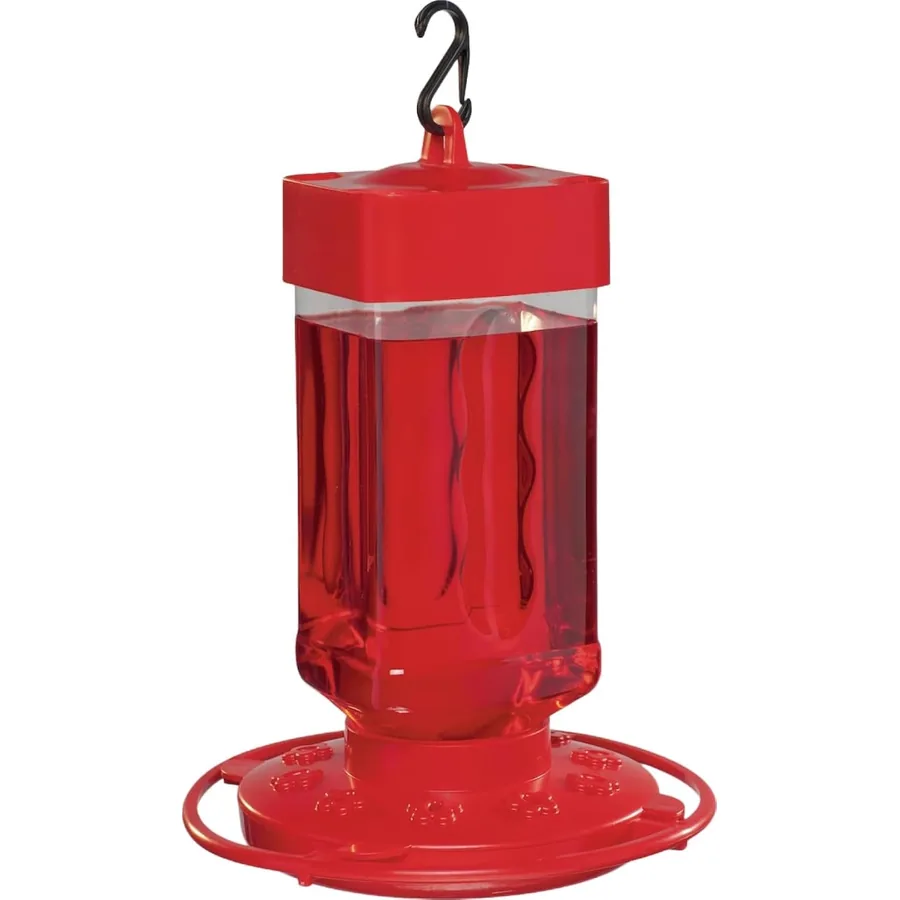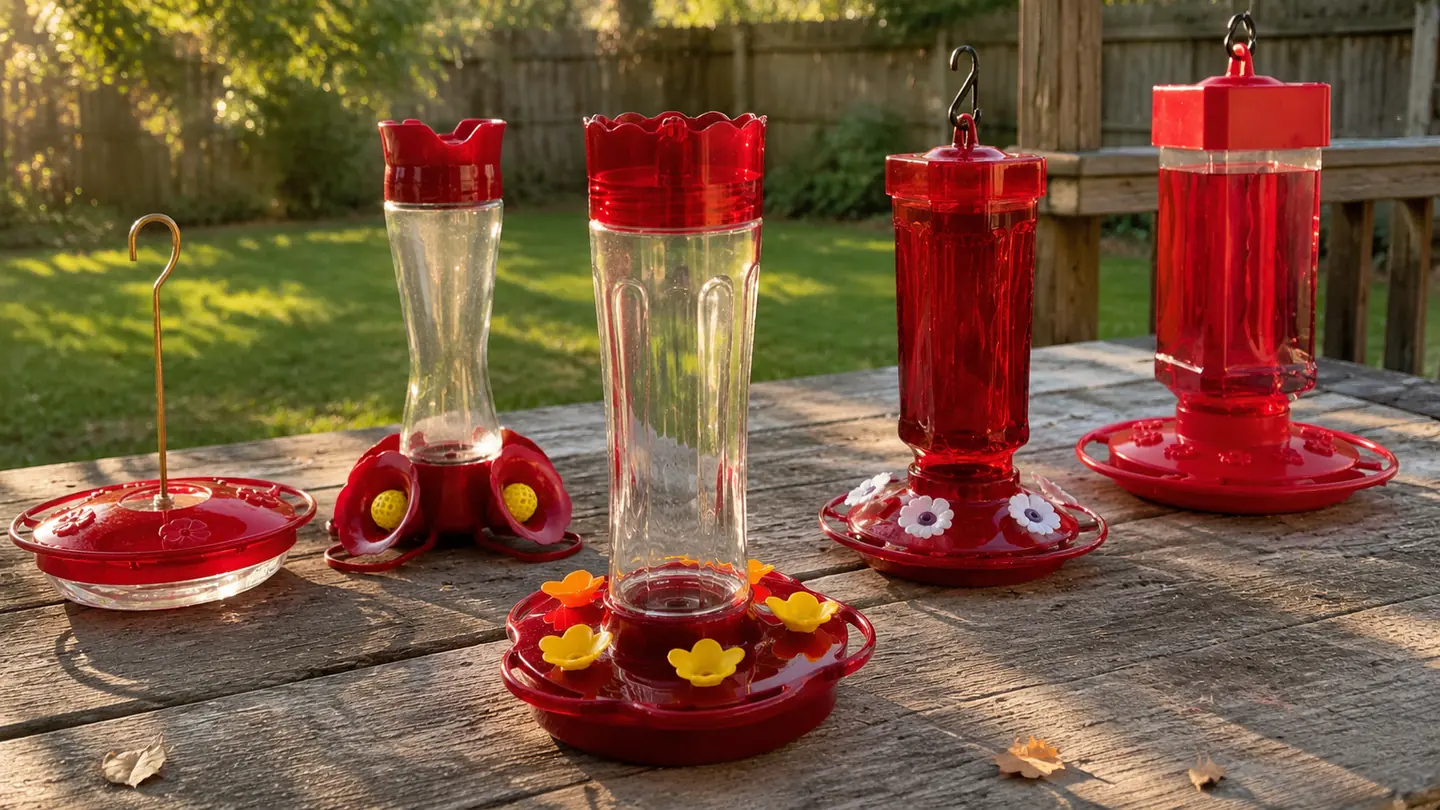
It is almost never the birds that end it. People give up on hummingbird feeders for two reasons, and neither of them has anything to do with the birds.
Here is the first one, and almost nobody sees it coming. On most feeders the ports sit underneath the nectar. Gravity does what gravity does, and a little sugar water weeps out and runs down the outside of the bottle. You cannot see it. But that sticky film is a scent trail, and it is the reason a black line of ants appears on your shepherd's hook one morning, and the reason the wasps turn up a week later.
Once the insects own the ports, the birds simply stop coming. They do not fight for it. They move to a neighbour's yard.
The second reason is quieter. You cannot get inside most feeders to clean them. Narrow necks, fixed bases, moulded crevices no brush will reach. So you rinse it instead of washing it, and you tell yourself that is enough.
It is not. Sugar water is a growing medium. Within days in warm weather it clouds, ferments, and puts down a black film in the ports that a rinse will never shift.
So people do the natural thing. They take it down and put it in the garage. Not because it broke. Because it became a chore.
That is exactly why we wrote this guide.
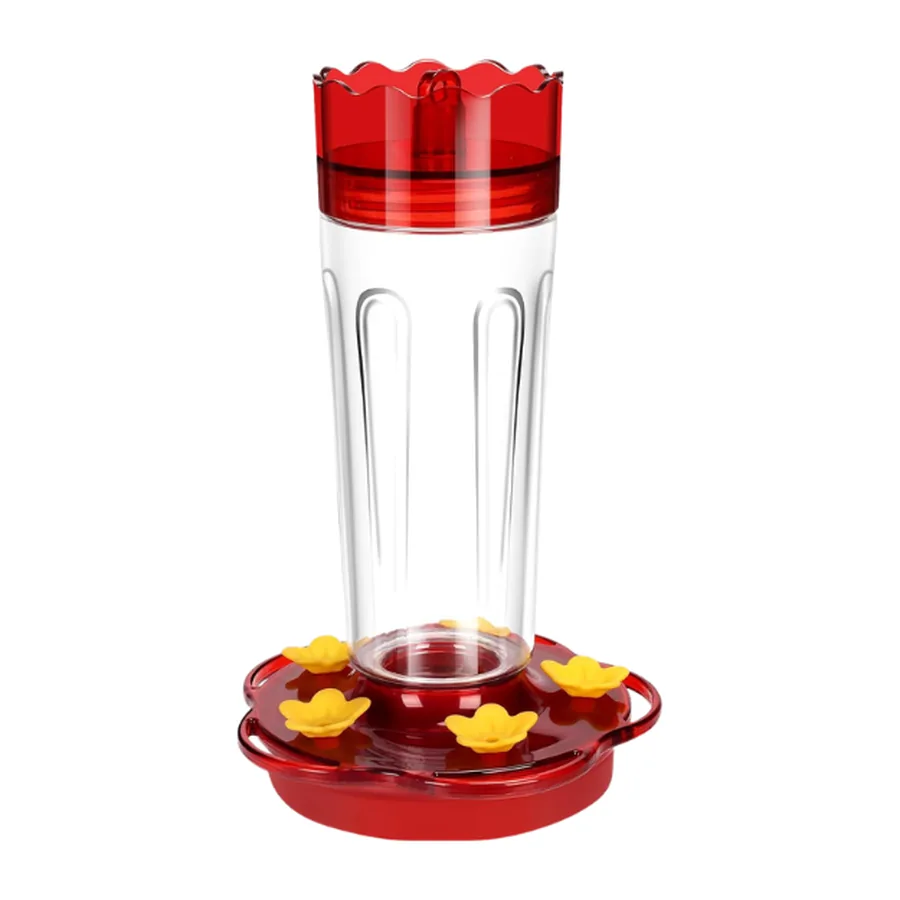
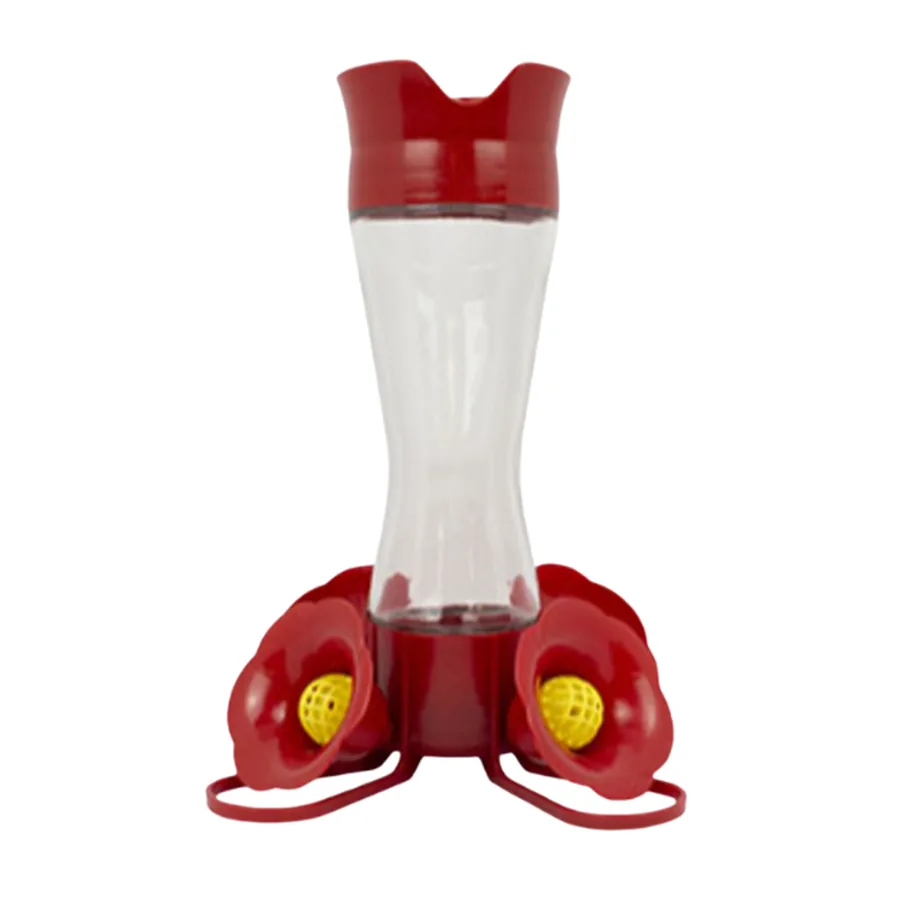
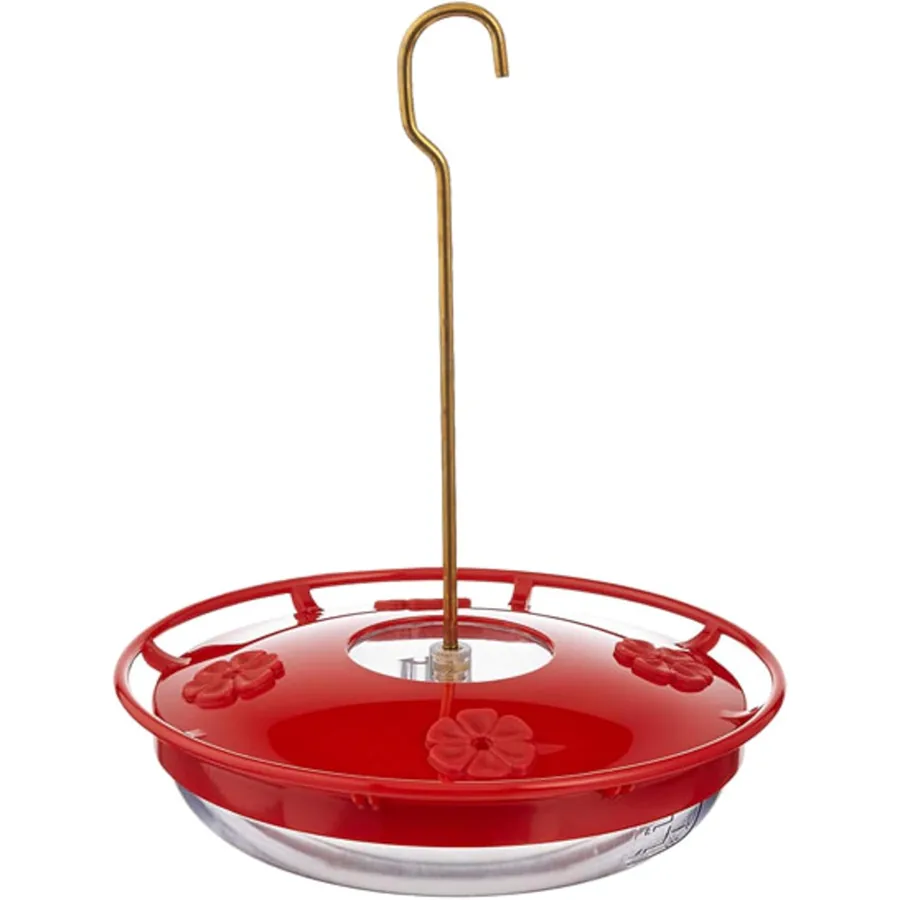
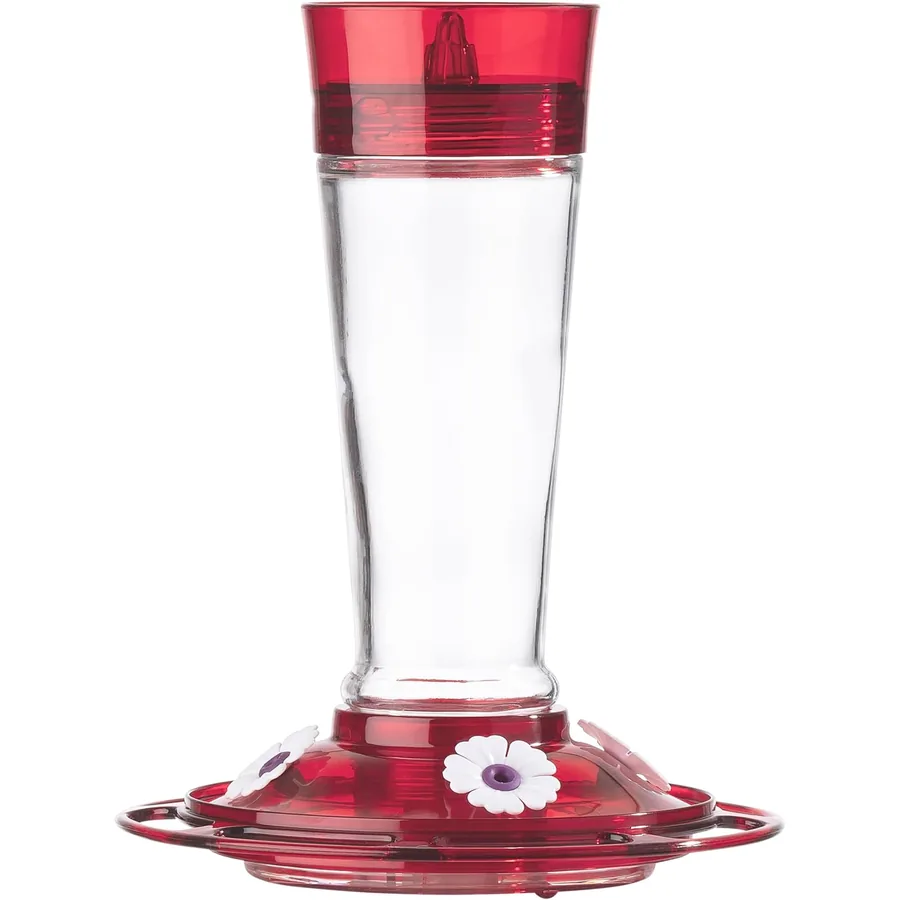
We hung five of the most popular feeders on the same hook, one after another, and ran every one through the same seven checks: can you get it clean, is it built to last, does it keep the bees out, do the birds find it, is it easy to fill, does it drip, and can the ants get in. Most failed at least one. Only one passed all seven.
Below you will find what actually separates a feeder you keep from one you quietly retire, what to look for before you spend anything, and the five we ranked.
First, what is really at stake when a feeder goes bad.